Rooted deeply. Growing wisely. Cultivating community.
Upcoming Events

Family Service & Shabbat Dinner
Friday, December 5, 2025
5:30 PM
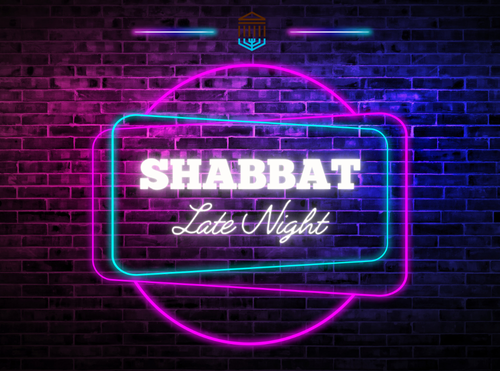
Shabbat Late Night
Friday, December 5, 2025
8:30 PM

Consecration Service
Saturday, December 6, 2025
10:00 AM

Concert with Michael Ochs
Saturday, December 6, 2025
7:00 PM
As we continue highlighting the remarkable individuals buried at KKBE’s historic Coming Street Cemetery, we recognize someone whose dedication ensured these stories would not be forgotten: Solomon Breibart.
Born in Charleston and educated at the College of Charleston, Breibart devoted his life to preserving and teaching the history of Charleston’s Jewish community. A respected historian and teacher, he authored books documenting Charleston Jewish history and helped safeguard the stories, traditions, and memories that connect generations.
Breibart cared deeply about KKBE and the historic Coming Street Cemetery, entrusting the congregation with the responsibility of preserving both the sacred grounds and the community’s history for the future. Much of what we know today about this cemetery and the people buried here comes from his tireless research and passion for historical preservation.
His legacy lives on every time these stories are shared.
Visit KKBE’s historic Coming Street Cemetery Open House on Sunday, June 14 from 1–3 PM to learn more about the people and histories that shaped Jewish Charleston.
#rootsintheground #comingstreetstories
As we continue highlighting the remarkable individuals buried at KKBE’s historic Coming Street Cemetery, we recognize someone whose dedication ensured these stories would not be forgotten: Solomon Breibart.
Born in Charleston and educated at the College of Charleston, Breibart devoted his life to preserving and teaching the history of Charleston’s Jewish community. A respected historian and teacher, he authored books documenting Charleston Jewish history and helped safeguard the stories, traditions, and memories that connect generations.
Breibart cared deeply about KKBE and the historic Coming Street Cemetery, entrusting the congregation with the responsibility of preserving both the sacred grounds and the community’s history for the future. Much of what we know today about this cemetery and the people buried here comes from his tireless research and passion for historical preservation.
His legacy lives on every time these stories are shared.
Visit KKBE’s historic Coming Street Cemetery Open House on Sunday, June 14 from 1–3 PM to learn more about the people and histories that shaped Jewish Charleston.
#rootsintheground #comingstreetstories
...
As we continue our series highlighting the extraordinary individuals buried at KKBE’s historic Coming Street Cemetery, we honor perhaps the cemetery’s most celebrated woman: Penina Moïse.
A poet, educator, lyricist, and trailblazer, Moïse became the first Jewish woman in the United States to publish a book of poetry with the release of Fancy’s Sketchbook in 1833. At a time when women — Jewish or otherwise — were rarely encouraged to publish their writing, she boldly shared her work under her own name, even as critics dismissed “ink-stained women” as improper. Through her poetry and essays, she spoke out against injustice and addressed issues of social importance around the world.
Her connection to KKBE was profound. In the 1830s and 1840s, she wrote hymns and liturgical poetry that became the foundation for the first American Reform hymnals and continued to be sung in synagogues well into the 20th century. She also compiled the first prayer book created by an American Jewish woman.
In 1838, alongside Sally Lopez, Moïse helped open the first Jewish Sunday School in the South at KKBE — today recognized as the second-oldest Jewish religious school in the United States. She corresponded with Rebecca Gratz in Philadelphia so that their students could share the same curriculum.
KKBE once offered Penina Moïse free seating in the synagogue for life in recognition of her contributions. She declined the honor and continued paying for her seat herself.
Visit KKBE’s historic Coming Street Cemetery Open House on Sunday, June 14 from 1–3 PM to discover more stories of the visionary individuals who shaped Charleston and American Jewish history.
#rootsintheground #comingstreetstories
As we continue our series highlighting the extraordinary individuals buried at KKBE’s historic Coming Street Cemetery, we honor perhaps the cemetery’s most celebrated woman: Penina Moïse.
A poet, educator, lyricist, and trailblazer, Moïse became the first Jewish woman in the United States to publish a book of poetry with the release of Fancy’s Sketchbook in 1833. At a time when women — Jewish or otherwise — were rarely encouraged to publish their writing, she boldly shared her work under her own name, even as critics dismissed “ink-stained women” as improper. Through her poetry and essays, she spoke out against injustice and addressed issues of social importance around the world.
Her connection to KKBE was profound. In the 1830s and 1840s, she wrote hymns and liturgical poetry that became the foundation for the first American Reform hymnals and continued to be sung in synagogues well into the 20th century. She also compiled the first prayer book created by an American Jewish woman.
In 1838, alongside Sally Lopez, Moïse helped open the first Jewish Sunday School in the South at KKBE — today recognized as the second-oldest Jewish religious school in the United States. She corresponded with Rebecca Gratz in Philadelphia so that their students could share the same curriculum.
KKBE once offered Penina Moïse free seating in the synagogue for life in recognition of her contributions. She declined the honor and continued paying for her seat herself.
Visit KKBE’s historic Coming Street Cemetery Open House on Sunday, June 14 from 1–3 PM to discover more stories of the visionary individuals who shaped Charleston and American Jewish history.
#rootsintheground #comingstreetstories
...
As we continue our series highlighting the remarkable individuals buried at KKBE’s historic Coming Street Cemetery, we turn to a man whose leadership helped shape both Charleston’s Jewish community and the city itself: David Lopez, Sr.
Originally from Newport, Rhode Island, Lopez became one of Charleston’s leading import-export merchants and an influential civic leader in the early 19th century. Deeply committed to Jewish communal life, he served as president of K.K. Beth Elohim from 1800–1814, helping guide the congregation during a formative period in its history.
In 1801, Lopez founded the Hebrew Orphan Society — the oldest continuously operating Jewish charitable organization in the United States — and served as its first president. More than two centuries later, the organization he established continues its mission of caring for children and families in need.
Through his philanthropy, leadership, and vision, David Lopez, Sr. left a lasting mark on Charleston and American Jewish history.
Visit KKBE’s historic Coming Street Cemetery Open House on Sunday, June 14 from 1–3 PM to learn more about the extraordinary people buried within its gates.
#rootsintheground #comingstreetstories
As we continue our series highlighting the remarkable individuals buried at KKBE’s historic Coming Street Cemetery, we turn to a man whose leadership helped shape both Charleston’s Jewish community and the city itself: David Lopez, Sr.
Originally from Newport, Rhode Island, Lopez became one of Charleston’s leading import-export merchants and an influential civic leader in the early 19th century. Deeply committed to Jewish communal life, he served as president of K.K. Beth Elohim from 1800–1814, helping guide the congregation during a formative period in its history.
In 1801, Lopez founded the Hebrew Orphan Society — the oldest continuously operating Jewish charitable organization in the United States — and served as its first president. More than two centuries later, the organization he established continues its mission of caring for children and families in need.
Through his philanthropy, leadership, and vision, David Lopez, Sr. left a lasting mark on Charleston and American Jewish history.
Visit KKBE’s historic Coming Street Cemetery Open House on Sunday, June 14 from 1–3 PM to learn more about the extraordinary people buried within its gates.
#rootsintheground #comingstreetstories
...
In the weeks leading up to our Coming Street Cemetery Open House, we’ll be highlighting some of the remarkable individuals laid to rest there — people whose lives helped shape Charleston, KKBE, and American Jewish history. From patriots and scholars to merchants, artists, and community leaders, their stories continue to echo through the centuries.
First in our series: Abraham Alexander, Sr.
Born in London, the son of Rabbi Joseph Raphael Alexander, he arrived in Charleston in 1764 and soon became hazzan of K.K. Beth Elohim, serving the congregation for nearly 20 years without compensation. During the Revolutionary War, he defended Charleston as a lieutenant in Sumter’s Brigade and remained in the city through the British occupation.
A gifted Hebrew scholar and calligraphist, Alexander compiled a mahzor (High Holiday prayer book) in 1805 and helped establish Scottish Rite Freemasonry in Charleston as one of its four Jewish founders.
His personal life reflected both devotion and controversy. After marrying Ann Sarah Huguenin Irby, a convert to Judaism, Alexander was no longer permitted to continue his religious duties at KKBE. When Ann died in 1835, her request to be buried at Coming Street Cemetery was denied.
Visit KKBE’s historic Coming Street Cemetery Open House on Sunday, June 14 from 1–3 PM to learn more about the remarkable and complicated lives that shaped Charleston’s Jewish history.
#rootsintheground #comingstreetstories
In the weeks leading up to our Coming Street Cemetery Open House, we’ll be highlighting some of the remarkable individuals laid to rest there — people whose lives helped shape Charleston, KKBE, and American Jewish history. From patriots and scholars to merchants, artists, and community leaders, their stories continue to echo through the centuries.
First in our series: Abraham Alexander, Sr.
Born in London, the son of Rabbi Joseph Raphael Alexander, he arrived in Charleston in 1764 and soon became hazzan of K.K. Beth Elohim, serving the congregation for nearly 20 years without compensation. During the Revolutionary War, he defended Charleston as a lieutenant in Sumter’s Brigade and remained in the city through the British occupation.
A gifted Hebrew scholar and calligraphist, Alexander compiled a mahzor (High Holiday prayer book) in 1805 and helped establish Scottish Rite Freemasonry in Charleston as one of its four Jewish founders.
His personal life reflected both devotion and controversy. After marrying Ann Sarah Huguenin Irby, a convert to Judaism, Alexander was no longer permitted to continue his religious duties at KKBE. When Ann died in 1835, her request to be buried at Coming Street Cemetery was denied.
Visit KKBE’s historic Coming Street Cemetery Open House on Sunday, June 14 from 1–3 PM to learn more about the remarkable and complicated lives that shaped Charleston’s Jewish history.
#rootsintheground #comingstreetstories
...